Understanding the Fivali Back Brace
Back pain is a common yet debilitating issue affecting millions worldwide, often hindering daily activities and reducing overall quality of life. The Fivali back brace is specifically designed to address these challenges, providing not only support but also comfort and relief. When exploring options, fivali back brace offers comprehensive insights into various models tailored to individual needs.
What is the Fivali Back Brace?
The Fivali back brace is an orthopedic support device engineered to alleviate back pain and support the lumbar region of the spine. It is ideal for individuals suffering from conditions such as lower back strain, herniated discs, or general discomfort due to poor posture. By applying targeted pressure and providing structural support, these braces can help reduce pain and facilitate better mobility.
Key Features and Materials
Fivali back braces are made from a range of materials, each chosen to enhance comfort, durability, and effectiveness. Key features include:
- Adjustable Straps: Allow for a customized fit, ensuring the brace stays securely in place throughout daily activities.
- Breathable Fabrics: Designed to prevent overheating and moisture buildup during use, keeping the wearer comfortable.
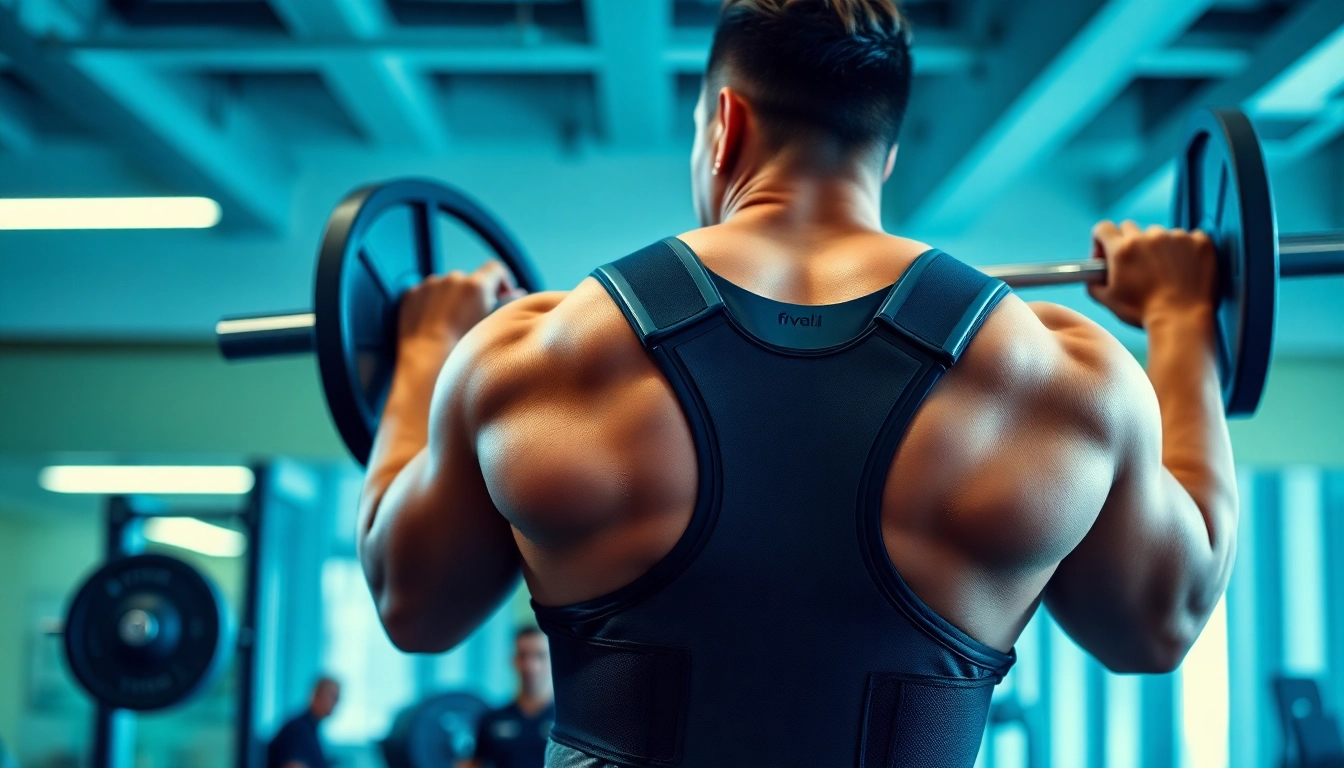
- Stabilizing Design: Provides both stiffness and flexibility to support the spine while allowing for a natural range of motion.
- Lightweight Construction: Ensures ease of use and comfort, making it suitable for extended wear.
Ideal Use Cases for the Back Brace
The Fivali back brace is versatile and can be utilized in various scenarios:
- Chronic Back Pain Relief: Perfect for individuals suffering from persistent back pain due to various underlying conditions.
- Post-Surgery Recovery: Supports the spine after surgical procedures, aiding in a smoother recovery process.
- Active Lifestyle: Beneficial for sports like weightlifting, golf, and tennis, where the back is under considerable strain.
- Occupational Support: Suitable for jobs that require prolonged sitting or heavy lifting, helping to maintain proper posture and prevent injury.
How Fivali Back Brace Works
This section delves into the functionality of the Fivali back brace, emphasizing the mechanisms behind its support capabilities.
Mechanisms of Lumbar Support
The primary mechanism of support offered by the Fivali back brace is through its design, which targets the lumbar region. The brace works by:
- Creating Compression: Applying gentle pressure to the abdomen reduces strain on the spine, relieving discomfort.
- Stabilizing the Spine: Offering support that limits unnecessary movement, thus preventing further injury.
- Realigning Posture: Encouraging an upright position that alleviates the burden on spinal structures.
Benefits of Compression Technology
Compression technology is a cornerstone of the Fivali back brace, providing several benefits:
- Pain Reduction: By stabilizing the lumbar region, compression helps mitigate pain signals sent to the brain.
- Enhanced Circulation: Improves blood flow to the affected area, promoting healing and recovery.
- Reduced Muscle Fatigue: Supports the muscles of the back, allowing them to function effectively without overexertion.
Posture Correction Capabilities
The Fivali back brace is not just a supportive tool; it also plays a significant role in posture correction:
- Promotes Alignment: Encourages the spine to remain aligned, which is essential for maintaining overall health.
- Shoulder Support: Helps in retracting the shoulders, reducing the risk of developing poor posture habits.
- Long-Term Benefits: Consistent use can lead to improved postural habits over time, easing chronic pain associated with poor posture.
Choosing the Right Fivali Back Brace
Selecting the appropriate back brace is crucial for maximizing its benefits. Here are some guidelines to help you choose the best option for your needs.
Identifying Your Back Pain Type
Understanding the nature of your back pain is fundamental in choosing the right brace. Different conditions may require specific types of support. Consider:
- Acute vs. Chronic Pain: Acute pain may require temporary relief, while chronic pain may need ongoing support.
- Type of Activity: Tailor your choice based on whether you’re sedentary or actively engaged in physical labor or sports.
Selecting Materials Based on Activity Level
Different activities can significantly influence the type of material you need in a back brace:
- Lightweight Fabric: Ideal for low-impact activities and daily wear, offering comfort without sacrificing support.
- Stiffer Materials: Suitable for high-impact activities or post-surgery, providing maximum stability.
Consulting with Healthcare Professionals
Before purchasing a back brace, it is advisable to consult with a healthcare professional. They can offer personalized recommendations based on your specific condition and needs.
Common Misconceptions About Back Braces
Despite their benefits, back braces are often misunderstood. Addressing common misconceptions can help users make informed decisions.
Dependence on Back Support
One prevalent belief is that prolonged use of back braces can lead to dependency. This is a nuanced issue:
- Support vs. Dependency: While back braces provide temporary relief, they should not replace strengthening exercises and proper posture practices.
- Duration of Use: It’s essential to use braces as a part of a broader treatment plan, including physical therapy.
Proper Usage and Limitations
Understanding how to use back braces correctly is crucial for effectiveness:
- Wearing Time: Limit wear time to avoid reducing strength in the supporting muscles.
- Activity-Specific Use: Use a brace during activities that exacerbate pain, rather than while at rest.
When to Seek Medical Advice
If back pain persists despite wearing a brace, it is important to consult a healthcare provider to rule out serious conditions.
Future Trends in Back Pain Management
The landscape of back pain management is evolving, with new technologies and approaches enhancing treatment options.
Innovations in Support Technology
Emerging technologies are continuously improving the functionality and effectiveness of back braces:
- Smart Braces: Devices equipped with sensors that provide real-time feedback about posture and support needs.
- Customizable Designs: Allowing for adjustments tailored to individual preferences and conditions.
Role of Physical Therapy with Braces
Integrating physical therapy with the use of back braces can enhance recovery outcomes:
- Exercise Programs: Tailored exercises can strengthen the back and improve overall function.
- Education: Teaching patients about proper body mechanics to prevent future injuries.
Advancements in Material Science for Comfort
Innovations in materials used in back braces focus on enhancing comfort:
- Memory Foam and Gel Inserts: Provide cushioning and adapt to body shape for personalized comfort.
- Moisture-Wicking Fabrics: Keep the skin dry and comfortable during extended wear.