
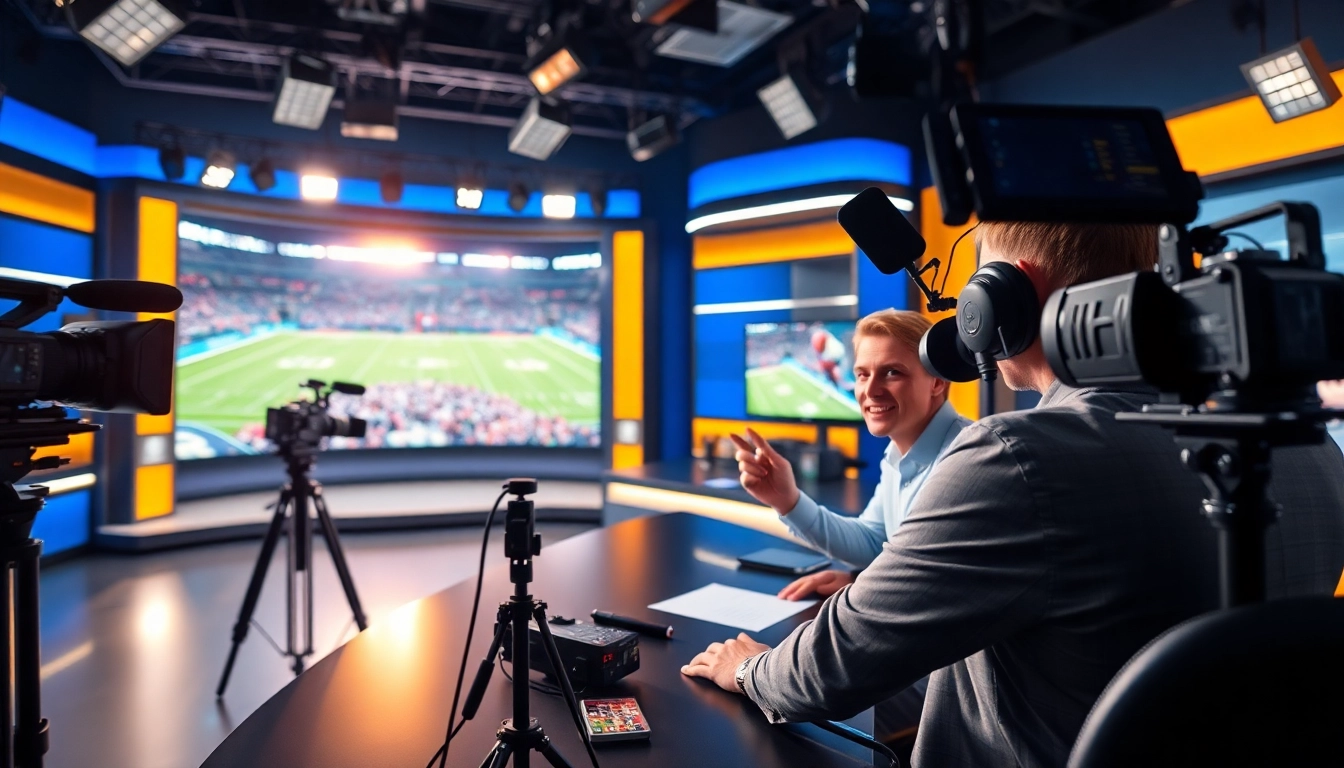
Understanding Sports Broadcasting
Sports broadcasting is a complex and dynamic field that merges the excitement of sports with technology and media. It encompasses the production and distribution of sports content across various platforms, engaging audiences worldwide. This industry has transformed dramatically over the years, shaped by technological advances, shifts in viewer preferences, and emerging platforms. The potential for creating immersive experiences and driving audience engagement makes Sports Broadcasting an exciting area for professionals and fans alike.
The Evolution of Sports Broadcasting
Sports broadcasting began with radio broadcasts of games, which quickly shifted to televised events as technology advanced. The first televised sports event took place in the late 1930s, but it wasn't until the 1960s that sports broadcasting gained remarkable popularity, particularly with the introduction of color television. The advent of cable television further expanded the format, offering more channels dedicated solely to sports.
Today, sports broadcasting is more than just live coverage; it incorporates pre-game shows, post-game analyses, and digital content tailored for specific audiences. The shift toward online streaming platforms has also changed the landscape, allowing viewers to consume content whenever and wherever they want, thus increasing the overall accessibility of sports.
Key Components of Sports Broadcasting
At its core, sports broadcasting consists of several key components:
- Content Creation: This involves producing engaging commentary, analyses, and highlights that resonate with viewers.
- Live Coverage: Broadcasting live events encompasses real-time commentary, camera work, and viewer interactions.
- Distribution Channels: These include television, radio, and online platforms that deliver sports content to audiences.
- Analytics: Analyzing audience engagement and viewership metrics helps broadcasters understand preferences and improve content.
The Impact of Technology on Sports Broadcasting
Technology has revolutionized sports broadcasting, influencing how content is produced and consumed. Key advancements include:
- High-Definition and 4K Broadcasting: Enhanced visual quality has improved viewer experiences, almost bringing them to the field.
- Augmented and Virtual Reality: These technologies offer immersive experiences, allowing fans to engage with events in innovative ways.
- Online Streaming: Platforms like social media and dedicated sports apps have facilitated real-time access, catering to changing viewer habits.
- Data Analytics: Broadcasters use data to provide insights and statistics that enrich the narrative during coverage, making it more engaging.
Best Practices in Sports Broadcasting
Creating Compelling Content in Sports Broadcasting
Compelling content is crucial for retaining audience interest in sports broadcasting. To create powerful narratives, broadcasters should consider the following practices:
- Storytelling: Weave stories around teams, players, and events to create emotional connections with viewers.
- Engaging Commentary: Commentators should deliver informative and entertaining commentary that enhances the viewing experience.
- Visual Storytelling: Utilize graphics, slow-motion replays, and player statistics to provide a deeper understanding of the action.
Engagement Techniques for Sports Broadcasting
Audience engagement is vital for the success of sports broadcasts. Employing the following techniques can enhance viewer interaction:
- Social Media Integration: Encourage viewers to engage through live tweets, Facebook comments, and Instagram stories during broadcasts.
- Interactive Polls and Contests: Use real-time polls and contests to involve the audience and maintain interest throughout the broadcast.
- Fan-Centric Content: Develop segments highlighting fan reactions, stories, or questions to create a more relatable broadcast experience.
Building a Brand Identity in Sports Broadcasting
A strong brand identity helps sports broadcasters stand out in a competitive marketplace. Key strategies include:
- Consistent Messaging: Maintain a uniform tone and style across all platforms to reinforce brand recognition.
- Unique Positioning: Clearly define what sets your broadcasting service apart from others, whether it’s exclusivity, expertise, or viewer engagement.
- Community Engagement: Foster relationships with sports communities, establishing trust and loyalty among fans.
Challenges in Sports Broadcasting
Legal and Ethical Issues in Sports Broadcasting
Sports broadcasting is fraught with legal and ethical challenges, including copyright issues, broadcasting rights, and regulations surrounding advertising content. Broadcasters must ensure compliance with all legal requirements, knowing the implications can impact their operations significantly. Additionally, ethical considerations regarding accuracy and integrity in sports reporting are paramount for maintaining credibility.
Adapting to Viewer Preferences in Sports Broadcasting
Understanding and adapting to changing viewer preferences is vital for success. With the rise of on-demand content, broadcasters must be attuned to the shift toward customizable viewing experiences. This often means embracing digital platforms, offering flexible viewing options, and catering to diverse demographics within the sports audience to retain viewership.
Dealing with Competition in Sports Broadcasting
The sports broadcasting landscape is highly competitive. With the entry of new players and evolving platforms, staying ahead requires constant innovation. Broadcasters should focus on niche markets, develop unique content, and provide superior audience experiences. Collaborating with athletes and influencers can also enhance visibility and draw in more viewers.
Performance Metrics for Sports Broadcasting
Measuring Audience Engagement in Sports Broadcasting
Engagement metrics such as viewer ratings, social media interactions, and feedback help assess audience engagement levels. By analyzing these metrics, sports broadcasters can better understand what resonates with their audience and refine their content strategies accordingly. Regular monitoring ensures adaptive approaches are taken to maintain viewer interest and loyalty.
Analyzing Viewership Data in Sports Broadcasting
Viewership data plays a crucial role in refining broadcasting strategies. Key metrics include:
- Tips: Monitor total viewership, peak viewing times, and demographics to customize content.
- Retention Rates: Evaluate how long viewers stay engaged and identify drop-off points for improvement.
- Viewer Feedback: Use surveys and social media insights to gauge audience reactions and preferences.
ROI on Advertising in Sports Broadcasting
Measuring the return on investment (ROI) for advertising within sports broadcasting involves analyzing how effectively ads reach target demographics. Factors to consider include audience impressions, conversion rates, and overall engagement with promotional content. An in-depth understanding of these metrics helps broadcasters make informed decisions about future advertising partnerships.
Future Trends in Sports Broadcasting
Innovation in Technology for Sports Broadcasting
The future of sports broadcasting will likely see more innovative technologies emerging. Progress in artificial intelligence, machine learning, and blockchain technology could enhance content personalization and streamline broadcasting processes. Innovations such as 5G technology will also expand bandwidth capacity, enabling higher-quality streaming and enhanced viewer experiences.
Shifts in Viewer Behavior in Sports Broadcasting
As younger generations continue to drive demand, shifts in viewing behaviors are anticipated. On-demand and binge-watching culture could lead to a more radical transformation in how sports content is consumed. Broadcasters should gear content towards accommodating these preferences, ensuring they remain relevant in a rapidly evolving landscape.
The Role of Social Media in Sports Broadcasting
Social media will play a critical role in the future of sports broadcasting. As platforms evolve, broadcasters must leverage social media for both engagement and distribution, catering to audiences where they already spend their time. By utilizing platforms' unique capabilities—like live streaming and interactive features—broadcasters can enhance viewer experiences and grow their audience base.
Frequently Asked Questions
What is Sports Broadcasting?
Sports broadcasting involves the production and transmission of live sports events, commentary, analyses, and related content across various platforms.
How has technology impacted sports broadcasting?
Technology has enhanced viewer experiences with HD quality, streaming options, and interactive content, significantly transforming how sports are consumed.
What metrics are used to measure audience engagement?
Metrics such as viewer ratings, social media interactions, and feedback surveys are crucial for assessing audience engagement in sports broadcasting.
What challenges do broadcasters face?
Broadcasters encounter legal issues, competition, and the challenge of adapting to changing viewer preferences in a rapidly evolving media landscape.
What trends are shaping the future of sports broadcasting?
Trends include advancements in technology, shifts in viewer behavior, and increased integration with social media platforms, driving innovation in sports broadcasting.