Understanding Window Tinting
What is Window Tinting?
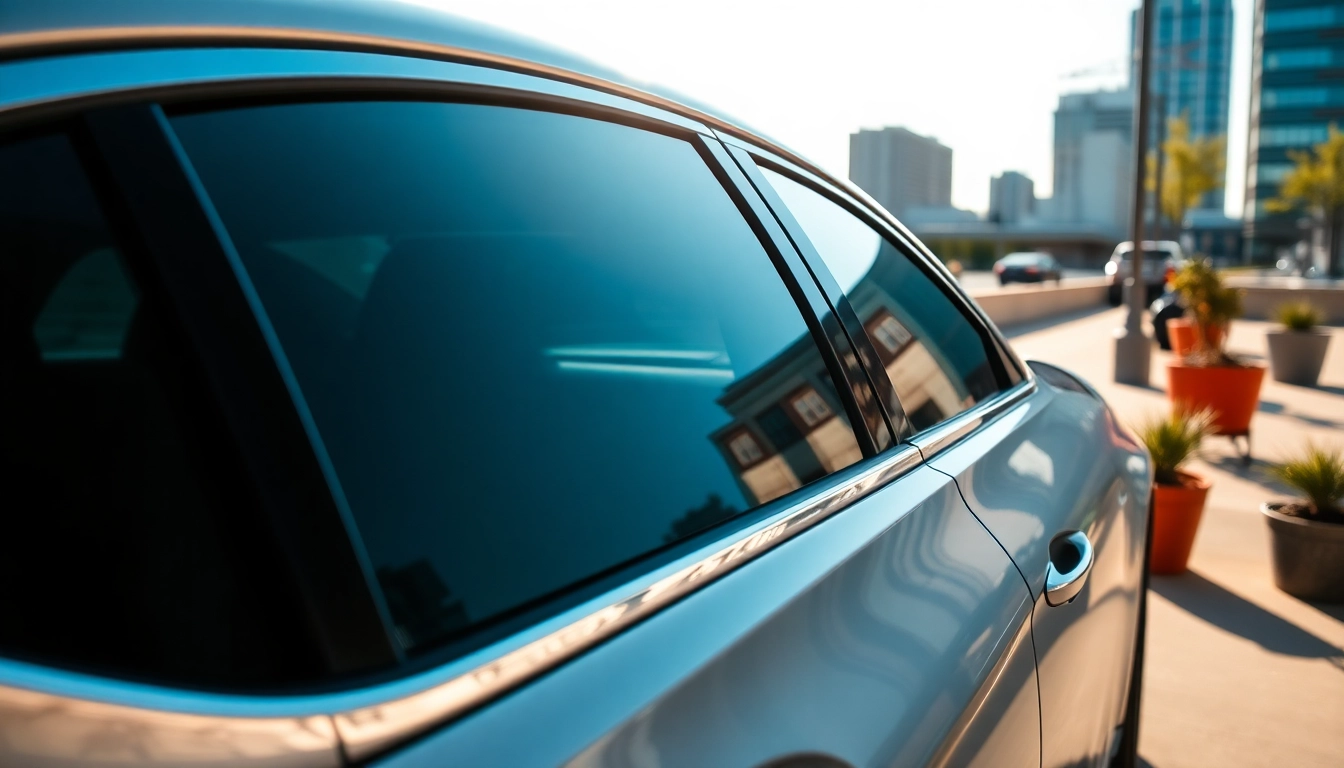
Window tinting involves applying a thin film to the glass surfaces of vehicles or buildings to reduce the amount of light that enters. Typically, this film is made from polyester or other materials that provide varying degrees of visibility, heat rejection, and UV protection. Window tinting not only enhances aesthetics but also offers several functional benefits that contribute to a more comfortable environment.
Types of Window Tint Films
There are several types of window tint films available, each designed to meet different needs:
- Dyed Window Film: This film is made by layering dyed polyester. It absorbs heat and UV rays while providing privacy. It's one of the most economical options but offers less infrared protection.
- Metalized Window Film: Featuring a layer of metal particles, this film reflects heat and UV radiation. It also adds additional shatter-resistant properties to the glass, enhancing safety.
- Carbon Window Film: Combining the advantages of dyed and metalized films, carbon films block up to 40% of infrared rays without metallic content, allowing for high performance without interference with electronic devices.
- Ceramic Window Film: The most advanced type, ceramic films are made from non-metallic materials that block infrared heat while allowing visible light to pass through. They provide high levels of UV protection and durability without signal interference.
Benefits of Window Tinting
The benefits of window tinting extend beyond aesthetics, encompassing several practical advantages:
- Heat Rejection: Tinted windows can significantly lower interior temperatures, enhancing comfort and reducing the energy needed for air conditioning.
- UV Protection: Most window tints block up to 99% of harmful UV rays, protecting skin and preventing upholstery from fading.
- Glare Reduction: Tints reduce glare from the sun, making driving or viewing screens easier and more comfortable.
- Privacy: Tinted windows offer enhanced confidentiality by making it difficult for others to see inside, particularly in residential and commercial settings.
- Safety: In the event of glass breakage, window film can hold shattered glass together, minimizing injury risk.
Why Choose the Best Window Tint Chattanooga TN
Local Climate Considerations
Chattanooga has a humid subtropical climate, which means hot summers and mild winters. The heat can be brutal during peak summer months, making window tinting an essential option for residents looking to maintain a comfortable indoor environment. By choosing the best window tint Chattanooga TN, homeowners and vehicle owners can significantly improve their comfort levels while minimizing cooling costs.
Legal Regulations in Tennessee
Before installing window tint, it is important to understand the state's legal limits regarding visible light transmission (VLT) percentages. Tennessee has specific guidelines designed to balance aesthetic choices and safety. For vehicles, the front windshield must allow more than 70% of light in, while the side and rear windows may be darker. Awareness of these regulations can help individuals avoid fines and ensure compliance.
Enhancing Your Vehicle’s Appearance
Window tinting not only enhances the aesthetic appeal of your vehicle but also increases its resale value. A professional tint job can give your car a sleek, polished look that stands out. The right tint choice complements the vehicle’s color and style, providing a custom appearance that reflects your personality while increasing privacy and comfort.
Installing Window Tint: Best Practices
Preparing for Installation
Preparation is key to a successful window tinting project. Prior to installation, ensure that your windows are thoroughly cleaned to remove any dirt or debris. This step is crucial for achieving a bubble-free appearance. Additionally, check local regulations regarding tint application to guarantee compliance. Considering the type of window film that best suits your needs is essential, and consulting with professionals can offer valuable insights.
Choosing a Professional Installer
Selecting a skilled and reputable window tinting professional can significantly influence the outcome of your project. Look for installers with positive customer reviews and substantial experience. Inquire about warranties and the quality of materials they use, as this can provide assurance of durability. An expert installer will ensure correct application methods, minimizing the risk of peeling or bubbling.
DIY vs. Professional Tinting
While DIY window tinting kits are available, they may not always yield the best results. Professionals bring experience, specialized tools, and high-quality materials to the table, often resulting in a cleaner, more effective application. However, if you are considering DIY, ensure you understand the steps involved, including precise measurements and cutting techniques, to avoid costly mistakes.
Maintaining Your Window Tint
Cleaning Tips for Tinted Windows
To prolong the life of your window tint, it’s essential to clean it correctly. Use a soft microfiber cloth combined with a gentle, ammonia-free cleaning solution. Avoid harsh chemicals and abrasive tools that can damage the film. Regular cleaning helps maintain clarity and extends the lifespan of the tint.
Common Issues and Solutions
Despite its durability, window tint can face certain common challenges. Bubbles and peeling are two frequent problems that can arise from improper installation or temperature changes. If you encounter these issues, consult a professional window tint technician to assess and provide corrective measures. Additionally, keeping windows clean and checking borders for damage can help avert common issues.
Longevity of Window Tinting
The lifespan of window tinting can vary based on several factors, including the type of film used, exposure to sunlight, and installation quality. Quality ceramic films may last over a decade, while cheaper options may start to degrade within a few years. Regular maintenance and proper cleaning can significantly enhance durability, ensuring that your investment in window tinting remains effective.
FAQs About the Best Window Tint Chattanooga TN
How long does window tint last?
The lifespan of window tint can vary based on the film type and quality. Premium films may last up to 10 years or more with proper care, while lower-quality options may need replacing sooner.
Is window tint legal in Tennessee?
Yes, window tint is legal in Tennessee, but there are specific regulations regarding visible light transmission (VLT) percentages for different windows in vehicles. Ensure compliance to avoid fines.
Can I install window tint myself?
While it's possible to install window tint yourself using DIY kits, professional installation is recommended for better results. Experienced installers ensure proper application, reducing the chances of errors.
What are the benefits of ceramic tint?
Ceramic tint offers superior UV protection, heat rejection, and durability compared to other types. It also does not interfere with electronic devices, making it a popular choice for modern vehicles.
How to choose the right tint level?
Choosing the right tint level involves determining your needs for privacy, heat rejection, and local regulations. Always check state laws regarding VLT percentages to select an appropriate level.