
Understanding Cloud Based Phone Systems
What is a Cloud Based Phone System?
A cloud based phone system refers to a telecommunications solution that operates over the Internet instead of traditional phone lines. This system allows businesses to make and receive calls via the cloud, integrating various communication functionalities like voice calls, messaging, and video conferencing into a single platform. Companies can access their phone services from anywhere, using any device equipped with an internet connection. Notably, a cloud based phone system provides flexibility and efficiency, ideal for today’s mobile workforce.
Key Benefits of Using Cloud Based Phone Systems
The transition to a cloud based phone system comes with several significant benefits that enhance business operations:
- Cost Efficiency: Traditional phone systems often involve hefty upfront investments in hardware. Cloud solutions, however, typically operate on a subscription model, lowering initial costs and allowing for predictable budgeting.
- Scalability: As a business grows, its communication needs change. Cloud based systems allow for easy scaling, whether adding new users or expanding features, without the constraints of physical infrastructure.
- Enhanced Collaboration: These systems often integrate features like video calls and team messaging, facilitating seamless communications among team members, regardless of location.
- Business Continuity: In the event of outages or disasters, cloud systems can reroute calls and ensure operations continue, providing peace of mind for businesses.
- Advanced Features: Many cloud based systems come equipped with sophisticated tools, such as voicemail transcriptions, call analytics, and CRM integrations, which traditional systems may lack.
How Cloud Based Phone Systems Operate
Cloud based phone systems leverage Voice over Internet Protocol (VoIP) technology to transmit calls over the internet. Unlike traditional systems that rely on physical phone lines, these systems use a network of servers hosted in the cloud, providing users with high-quality voice calls without the limitations of conventional infrastructure.
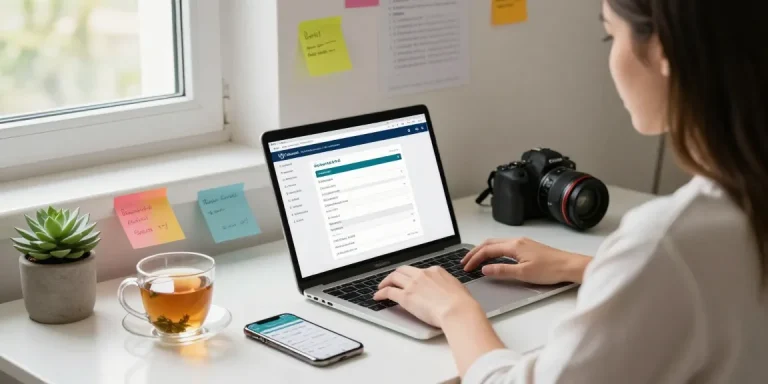
Users connect through a variety of devices, including desktops, smartphones, and tablets, using software applications or VoIP phones configured to interact with the system’s cloud-based interface. This enables businesses to manage their phone services through a web portal, allowing for easy management of settings and features, as well as real-time updates.
Comparing Cloud Based Phone Systems to Traditional Solutions
Flexibility and Scalability
One of the standout features of a cloud based phone system is its flexibility. Unlike traditional phone systems, which often require physical upgrades and installations to accommodate growth, cloud based solutions are built to scale easily. Businesses can add or remove lines at any time, making it ideal for companies with fluctuating workforce numbers.
This scalability doesn’t just apply to user numbers. Businesses can also expand features and capabilities as they grow—adding call center functionalities, advanced reporting tools, or integrating with new technology solutions—without overhauling the entire system.
Cost Analysis: Cloud vs. Traditional
The cost structure of cloud based phone systems is markedly different compared to traditional systems. Traditional setups often require significant initial investments in hardware and ongoing costs for maintenance and upgrades. In contrast, cloud based systems typically utilize a pay-as-you-go model, which can result in substantial savings over time.
Additionally, many cloud providers offer tiered pricing models, allowing businesses to select features and services based on their budget. This not only helps to contain costs but also ensures that companies are only paying for the services they need.
Feature Set Comparison
Cloud based phone systems often come with a plethora of features that traditional systems may not be able to match. Features such as call forwarding, voicemail to email, integrated video conferencing, and mobile access are commonly included in cloud solutions. These functionalities enhance overall communication efficiency and can dramatically improve productivity across teams.
Moreover, the ongoing development of cloud technologies means new features, such as artificial intelligence-driven support tools, are continuously introduced, giving businesses access to the latest innovations.
Best Practices for Implementing a Cloud Based Phone System
Choosing the Right Provider
Selecting the right provider is crucial for a successful transition to a cloud based phone system. Key factors to consider include service reliability, customer support, and feature offerings. It’s advisable to review potential providers’ customer testimonials and service level agreements (SLAs) to ensure they align with the specific needs of your business.
Additionally, evaluating available security features is essential, as data protection becomes increasingly complex in cloud environments. Choose a provider that offers end-to-end encryption, regular audits, and compliance with standards relevant to your industry.
Planning Your Migration
Transitioning to a cloud based system requires careful planning to minimize disruptions. Begin by conducting a thorough audit of current telecommunication needs to establish which features and capacities will be necessary in the new system. Implementing a phased approach can help ease the transition, allowing for testing of features and receiving feedback from users.
Ensure that all stakeholders are involved in the process, creating a partnership between IT and end-users, thereby fostering a smooth adoption of the new system.
Training Your Team for Success
Once the cloud based phone system is in place, training is essential for maximizing its benefits. Develop a comprehensive training program that caters to different levels of user proficiency. Focus on how to utilize the new features effectively, emphasizing their impact on productivity and communication.
Consider creating support resources such as user manuals, tutorial videos, and quick reference guides to help staff acclimate to the system. Additionally, ongoing support should be provided through helpdesk services or regular check-ins as users become accustomed to the new processes.
Case Studies: Success Stories with Cloud Based Phone Systems
Small Business Transformation
A local retail store transitioned to a cloud based phone system to enhance customer service and internal communication. Prior to the change, they struggled with missed calls and slow response times. After implementing the new system, the business leveraged call forwarding and integrated messaging features, resulting in a 30% improvement in response times and increased customer satisfaction. The store has since reported a notable rise in sales due to these operational efficiencies.
Enterprise Level Success
An enterprise manufacturing company adopted a cloud based phone system to streamline communication across its multiple locations. Post-implementation, they achieved better collaboration through integrated video conferencing and team messaging solutions, which facilitated cross-departmental projects. The company noted a 25% reduction in project turnaround time, resulting in improved product development cycles.
Remote Work Enhancements
During a sudden shift to remote work, a tech startup quickly migrated to a cloud based phone system. This move allowed them to ensure continued collaboration among team members regardless of physical location. They benefitted from features like mobile access and call routing, which helped maintain high levels of productivity. Overall, their transition not only preserved business continuity but also resulted in a greater emphasis on flexible working environments.
Frequently Asked Questions about Cloud Based Phone Systems
What are the costs associated with cloud based phone systems?
Costs vary based on provider and features, typically encompassing a subscription fee alongside potential hardware costs for VoIP phones. Some systems also have usage fees.
Is a cloud based phone system secure?
Cloud based phone systems generally have strong security protocols, including encryption and compliance with industry regulations. However, security also relies on user practices.
Can I integrate a cloud based phone system with my CRM?
Yes, many cloud based phone systems offer integrations with popular CRM software, enhancing data access and efficiency across teams.
What features should I look for in a cloud based phone system?
Key features include call forwarding, voicemail options, video conferencing capabilities, and analytics tools to track performance and usage.
How do I determine if a cloud based phone system is right for my business?
Consider factors like business size, communication needs, budget, and existing infrastructure. A cloud based system suits businesses wanting flexibility and scalability.
About the Author